
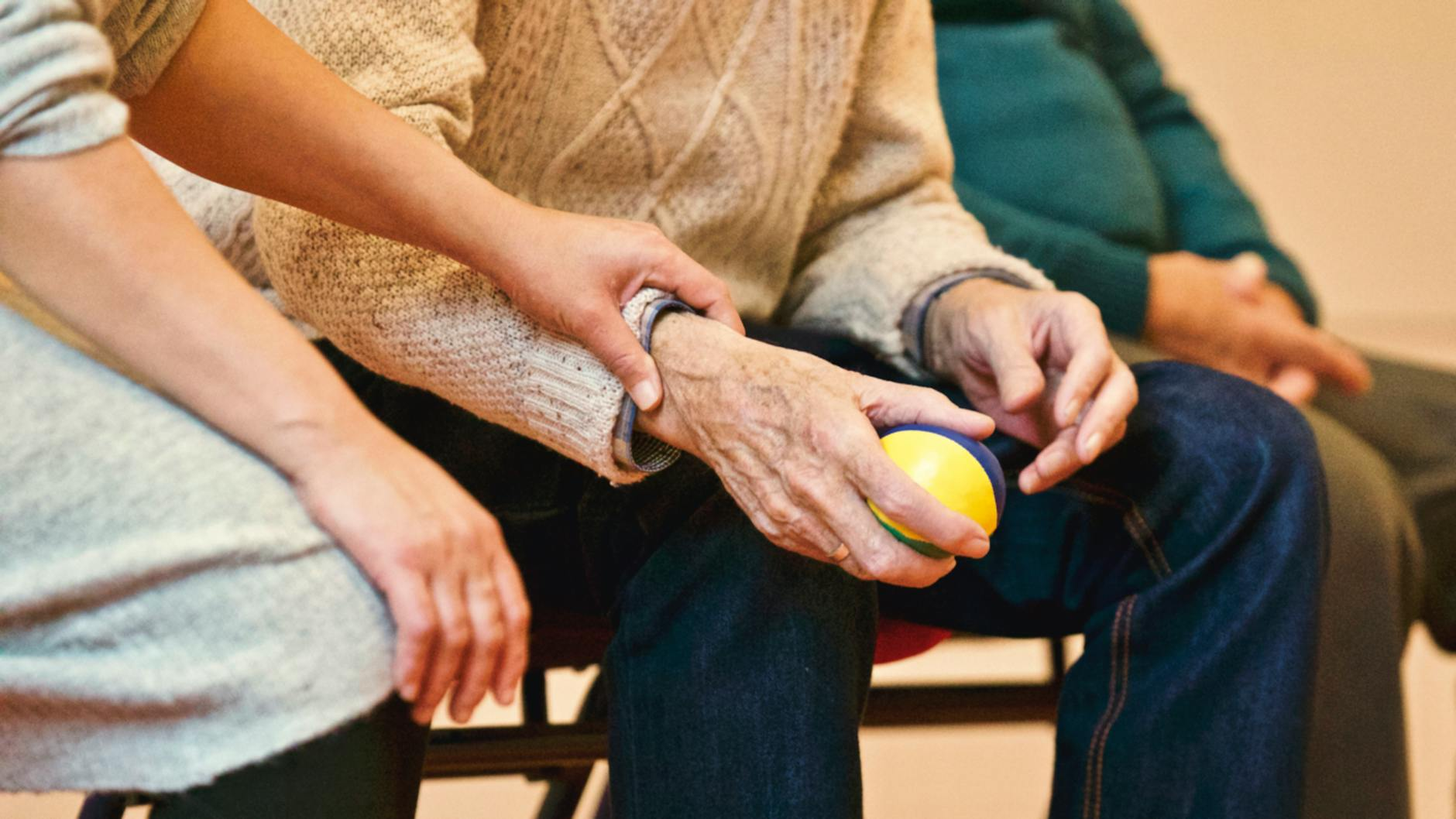
Recognizing when a loved one may need in-home care is not always easy. Changes often happen gradually, and families may adapt without realizing how much support is truly needed. Understanding the early signs can help you take proactive steps to ensure safety, comfort, and quality of life—while allowing your loved one to remain at home.
Below are some common indicators that it may be time to consider in-home care support.
Difficulty Managing Daily Activities
One of the earliest signs is trouble with everyday tasks. Activities that were once routine may become overwhelming or unsafe.
This can include:
- Difficulty preparing meals or remembering to eat
- Struggling with personal hygiene or grooming
- Trouble keeping the home clean or organized
- Forgetting to take medications or follow daily routines
In-home care can provide gentle, respectful assistance with these daily activities while supporting independence.
Changes in Mobility or Balance
Mobility challenges often increase the risk of falls and injuries. If your loved one is moving more slowly, using furniture for support, or avoiding stairs or outings, additional help may be needed.
Warning signs may include:
- Unsteady walking or frequent falls
- Difficulty getting in and out of bed or chairs
- Avoiding leaving the home due to fear of falling
A caregiver can assist with mobility, transfers, and supervision to help reduce risks and build confidence.
Memory Loss or Confusion
Occasional forgetfulness is normal, but consistent confusion or memory issues may signal a need for support.
Watch for:
- Missed appointments or repeated questions
- Confusion about time, place, or familiar routines
- Difficulty managing finances or household responsibilities
In-home care provides structure, reminders, and companionship that can help your loved one feel more secure and supported.
Increased Isolation or Withdrawal
Social isolation can have a significant impact on emotional and mental well-being. If your loved one is spending more time alone or withdrawing from activities they once enjoyed, it may be time to seek help.
Signs include:
- Loss of interest in hobbies or social interactions
- Limited contact with friends or family
- Feelings of loneliness, anxiety, or low mood
Caregivers offer companionship, conversation, and encouragement to stay engaged and connected.
Decline in Overall Health or Recovery After Hospitalization
Following an illness, surgery, or hospital stay, many individuals need extra support during recovery. Without assistance, small challenges can quickly become setbacks.
In-home care can help with:
- Safe transitions from hospital to home
- Following care routines and recovery plans
- Monitoring changes and communicating concerns to family
This support can ease the recovery process and reduce stress for both clients and their families.
Family Caregiver Burnout
Sometimes the need for in-home care becomes clear when family caregivers feel overwhelmed. Balancing work, family responsibilities, and caregiving can take a toll over time.
If you are experiencing:
- Physical or emotional exhaustion
- Stress, guilt, or burnout
- Difficulty meeting your loved one’s needs consistently
In-home care can provide reliable support and peace of mind, allowing families to focus on quality time rather than constant caregiving tasks.
When in Doubt, Start the Conversation
Choosing in-home care does not mean giving up independence—it often helps preserve it. Support can be customized to fit your loved one’s needs, schedule, and preferences, whether for a few hours a week or ongoing assistance.
If you’re unsure whether it’s the right time, speaking with a care professional can help you understand available options and next steps.
Final Thoughts
Every situation is unique, and there is no single “right moment” to seek in-home care. Paying attention to changes in daily routines, safety, and well-being can help you make informed, compassionate decisions for your loved one.
If you have questions or would like guidance, a professional consultation can provide clarity and reassurance during this important decision-making process.


